
Scarification sounds like something that happens in a horror film, not something you’d willingly do to your lawn. But here we are. If you’ve ever wondered why your grass looks flat or patchy, scarifying (or, rather, a lack of) is probably part of the answer.
So, what exactly is lawn scarifying, and should you bother for it? I’m breaking it down in this guide.
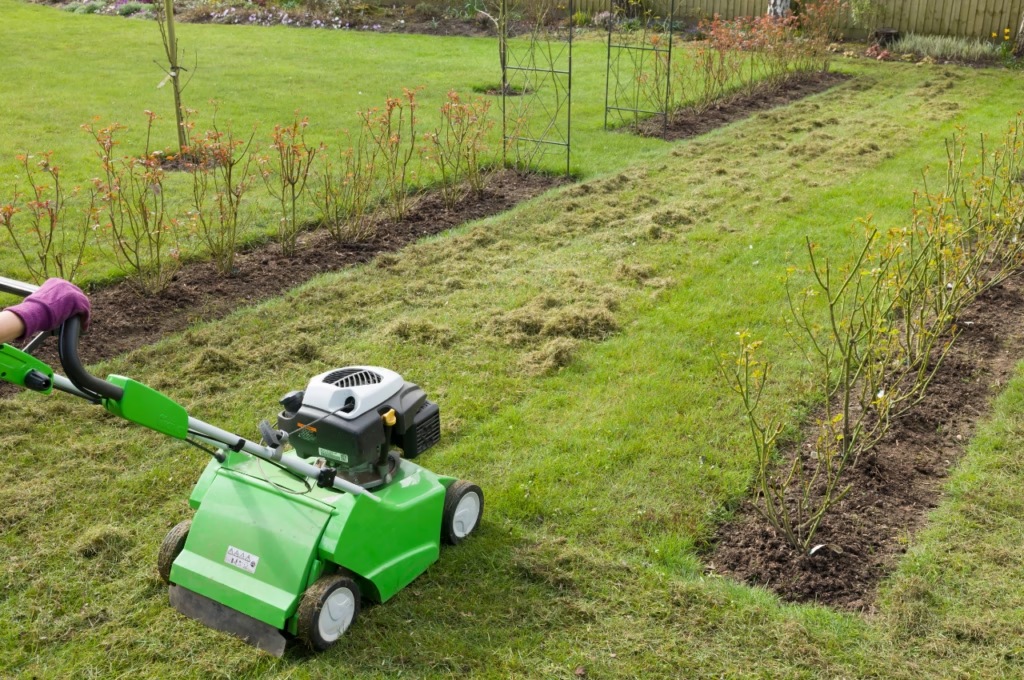
🌱 What is Lawn Scarifying?
Scarification is simply the process of removing all the dead organic matter that builds up in your lawn and stops it from growing properly. That includes moss and dead grass, which forms right above the soil. Gardeners call this “thatch”.
If you’ve ever brushed the grass on your lawn with your hand and felt resistance, that’s probably thatch holding everything hostage. Scarifying pulls all of this debris out, so sunlight, air, and water can reach the soil again.
Removing thatch with scarification is a pain, but a few weeks later, you should have a healthier and greener lawn than ever before.
🤷♂️ Why Your Lawn Turns Into a Tangled Mattress
Why exactly does excess thatch form in the first place?
Grass naturally sheds old material as it grows. Over time, when the soil microbes can’t decompose it as quickly as it accumulates, all that dead stuff builds up, and that’s when you end up with a thatch layer.
If you’ve ever wondered why your lawn feels spongy underfoot, this is usually the reason. And when the lawn gets spongy, mowing just presses everything deeper into the turf instead of fixing anything. Eventually, you’ll end up hindering grass growth and encouraging weed growth. This is the time to scarify your lawn.
The scarification process deals with that tension by ripping out the thatch, so the lawn can get back to growing properly.
♻️ What Happens When You Scarify A Lawn?
Depending on your preference and your level of upper-body strength, you can scarify your lawn with a manual rake or a powered scarifier.
The powered option digs little tines into the grass and drags out anything that shouldn’t be there. The idea is that you push it across the lawn and watch in satisfaction as it pulls up clumps of moss and thatch you didn’t even realise existed. The VonHaus Lawn Scarifier is the best-reviewed powered scarier on Amazon today.
For a small lawn in the UK, you might prefer to go for something cheap and more manual, like a spring tine rake. It works in the same way, but this time, you’re pulling scarifying blades through the grass sward (a process that’s harder on the shoulders than a using mechanical scarifier). The Darlac Lawn Scarifier has good reviews and is sold by a brand that we generally trust.
When you finish, your lawn will look worse than it ever has, but that’s all part of the process.
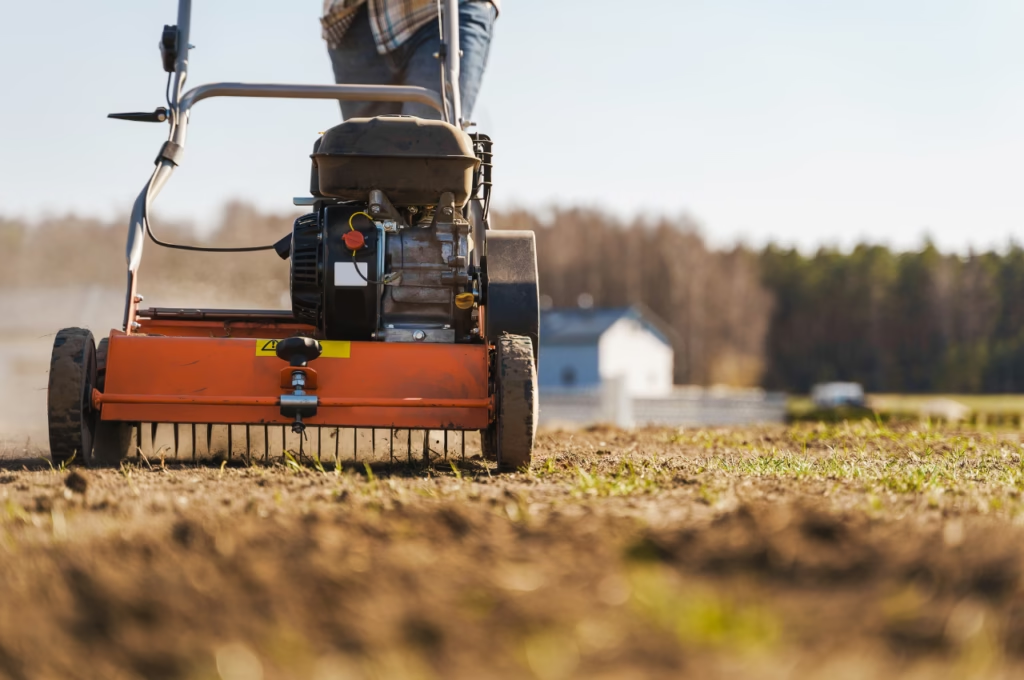
🧾 Lawn Scarification: Step-by-Step Process
Want a quick step-by-step guide for scarifying your lawn and aftercare jobs? Here’s what to do:
Clear leaves and debris from the lawn.
Mow your lawn short (using the lowest setting on your mower will give you easier access to the soil).
Set your scarifier depth to just touch the thatch.
Run the scarifier in straight lines across the lawn.
Repeat at a slight angle to catch missed areas.
Rake and collect all the pulled-up material.
Overseed bare or thin patches of your lawn.
Apply a light topdressing to help seed contact soil.
Feed the lawn with a basic fertiliser.
Keep the soil evenly moist until new grass establishes.
🫨 Don’t Panic When You See the Aftermath
The sight of a freshly scarified lawn can convince you that you’ve done something terribly wrong. One look at the devastation, and you might vow never to touch your lawn again. But, take it from a lawn expert who has scarified sports pitches professionally, there’s no need to panic!
Your lawn isn’t dead. Once you’ve given it this makeover, it can finally regrow without suffocating. Within a few weeks (especially if you follow up with a feed and some overseeding), you’ll see fresh shoots popping up everywhere. Think of it as giving the lawn a deep clean rather than just a surface tidy.
Your lawn should recover within a few weeks, depending on the extent of the thatch levels and environmental conditions.
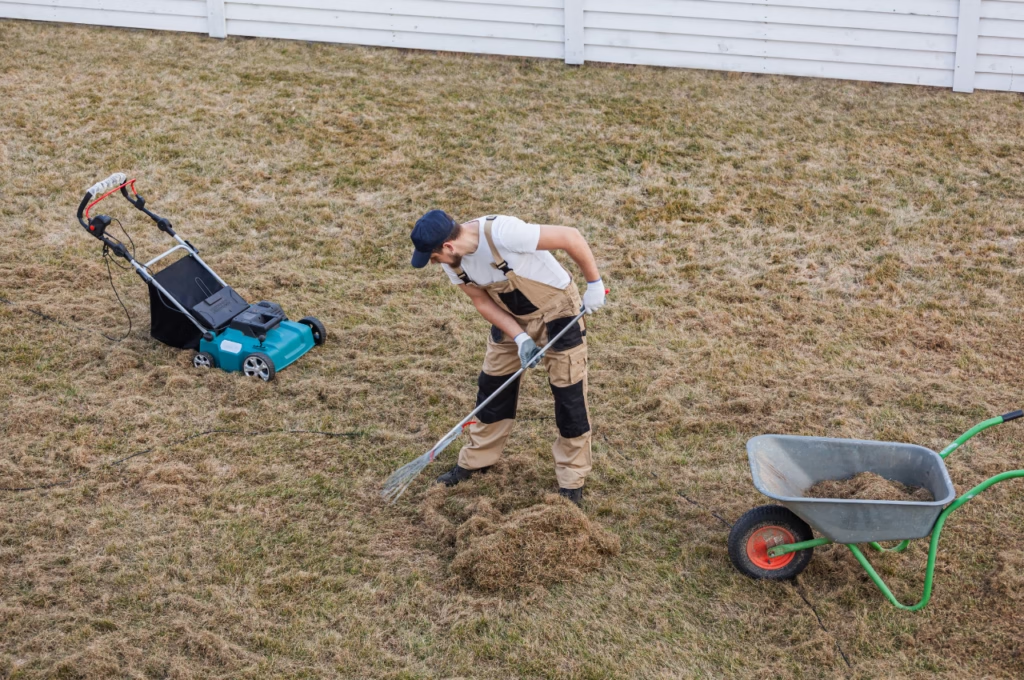
📅 When You Should Scarify (and When You Absolutely Should Not)
The best times to scarify a lawn are spring and early autumn. Basically, you need the grass to get enough warmth and daylight to recover afterwards. If you scarify in the middle of winter, you’re leaving your lawn to fend for itself in the cold. If you scarify in the peak of summer heat, you’ll struggle to keep it hydrated.
Spring lawn scarifying (around early April) clears out the debris left behind after winter. But you might also want to consider early autumn scarifying to remove moss build-up and prepare your lawn before the colder months roll in.
So, how often should you scarify your lawn? One good scarify session a year is enough for most lawns. But if your lawn is basically moss with a few blades of grass sticking out, you might need to commit to two sessions of de-thatching within the same year.
🤔 Why Scarifying Makes Such a Noticeable Difference
Once the thatch and moss are gone from your lawn, it’ll become far more responsive to the care you actually want to give it.
Water will reach the soil instead of sitting on the surface. Fertiliser can work properly because, again, the essential elements and nutrients are reaching the soil. Grass seed can also reach the ground and grow. You should even find that mowing becomes easier because you’re cutting grass, not wrestling with a thick layer of thatch.
You’ll notice that your lawn grows thicker because the grass roots have space to spread out. It’ll also turn greener because it’s not competing with moss. Generally, when it’s done right and combined with over-seeding and fertilising, removing thatch with scarification can be your ticket to a healthy lawn.
😬 The “My Lawn Looks Like a Crime Scene” Recovery Plan
After you’ve finished scarifying, you’ll want to take a few simple steps:
Rake Up the Loose Material
There will be a lot of organic matter pulled up by your scarifying machine; likely enough to fill multiple garden bags. Rake it all up to give your lawn the breathing space it needs.
Overseed
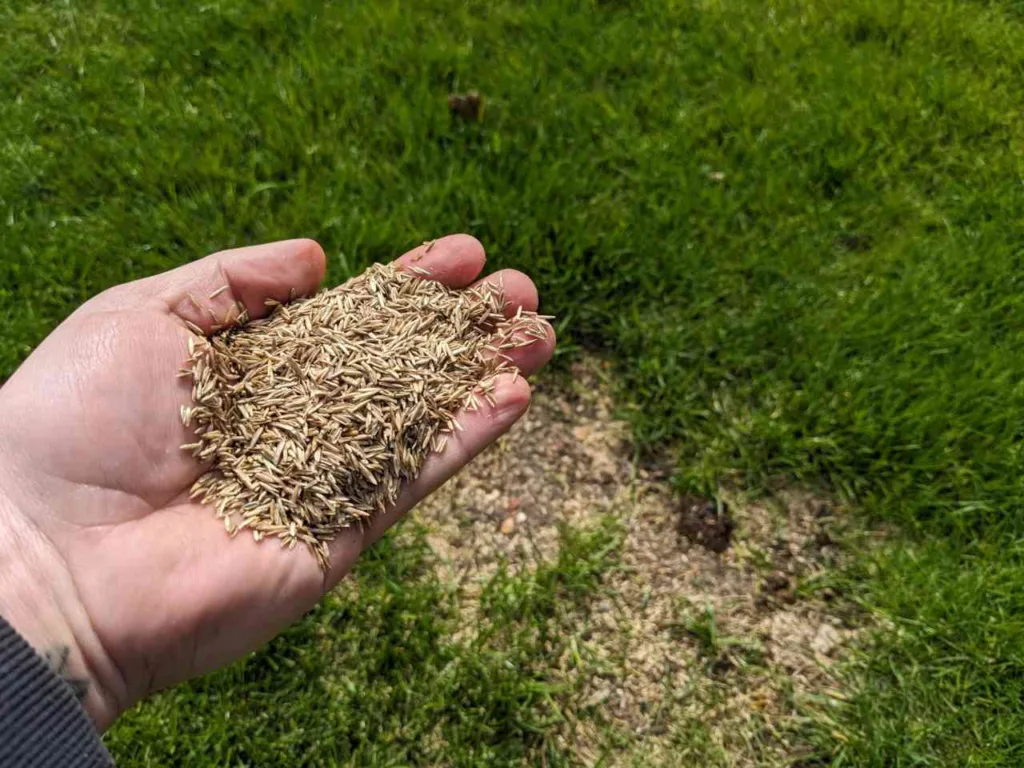
Scarifying exposes the soil, which creates the perfect conditions for new grass seed, allowing air, water, and nutrients to easily reach the soil. Over-seeding will help your lawn thicken up faster and cover any bare patches.
Feed the Lawn
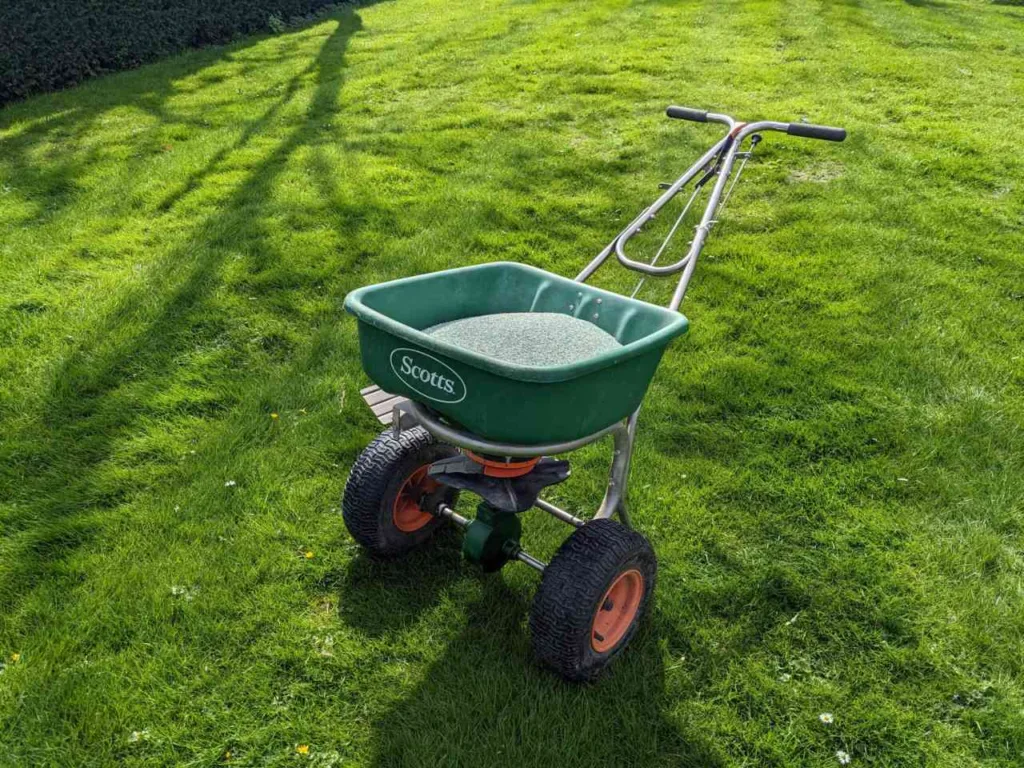
Your grass will bounce back with more strength if you give it a quick feed. If you don’t have any fertiliser in the shed, here’s our guide to the best lawn feed sold in the UK.
Water Consistently
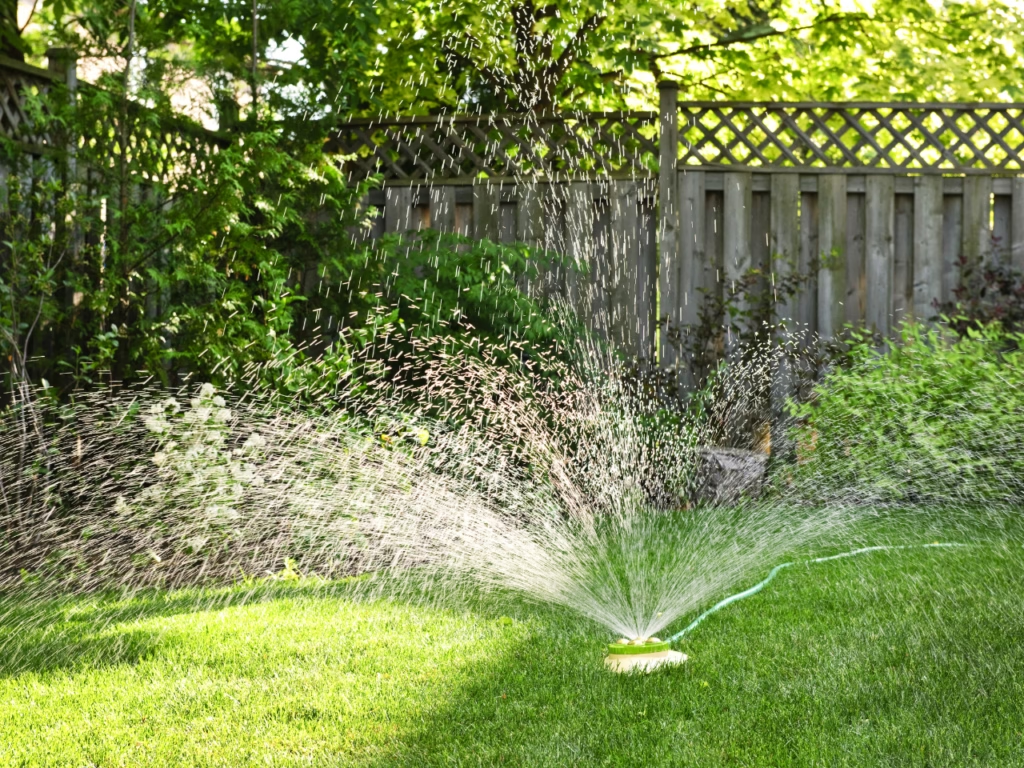
Finally, make sure to water your lawn consistently. You don’t need to do this every day, just enough to keep the surface moist while the lawn recovers.
🤨 So, Is Scarifying a Lawn Worth It?
If you want a lawn that stays green through the main growing seasons and doesn’t turn into a moss carpet by July, then yes, scarification is worth the effort.
Scarification looks almost as dramatic as it sounds, and your lawn will briefly look like you’ve made a huge mistake. But once the grass fills out again, you’ll be left with a lawn that looks healthier and reacts properly to all the care you’re already putting in.